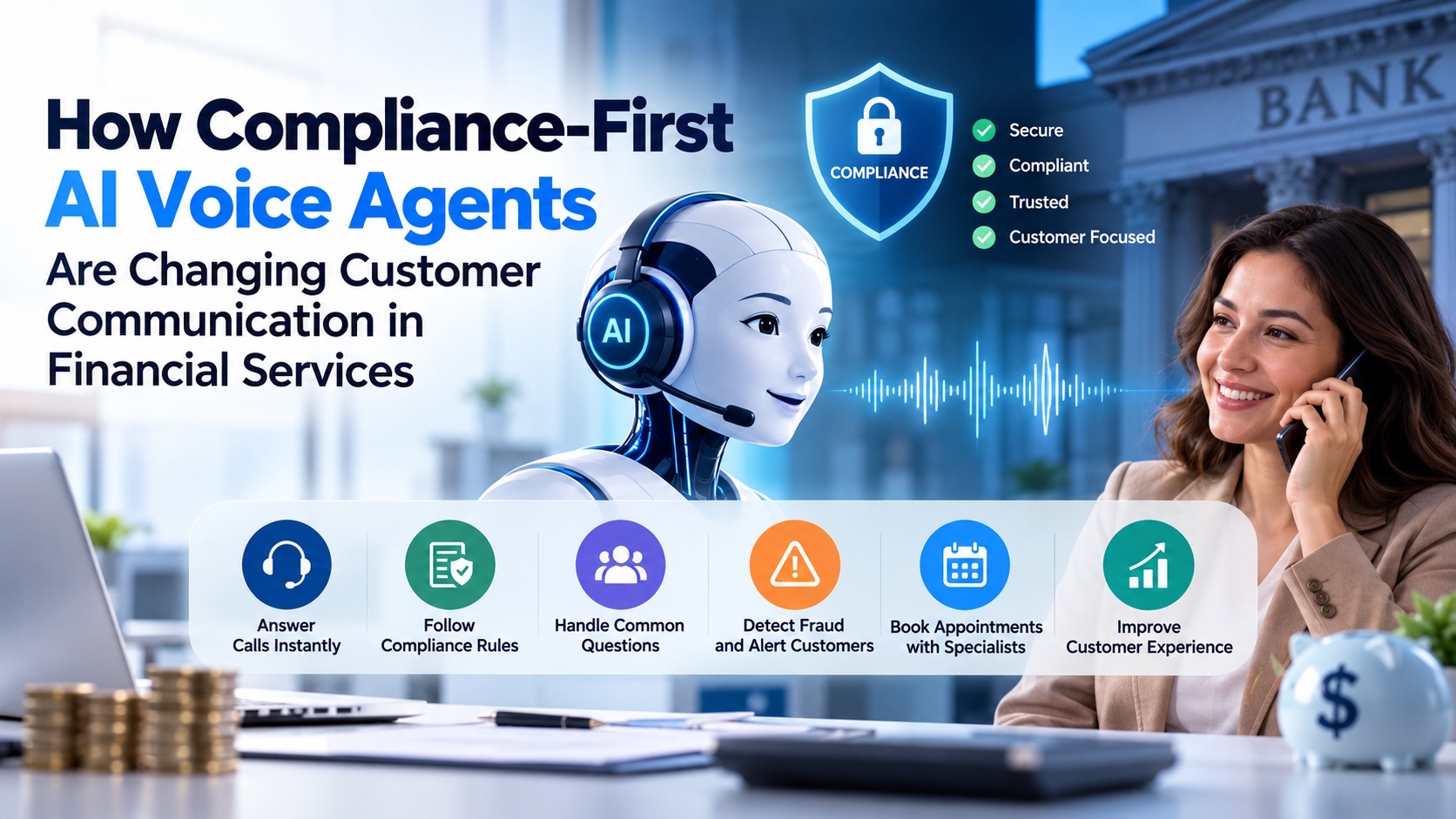
Nobody enjoys phone calls about money. A late payment or a strange charge puts people on edge. Banks know this, and they’re changing how they talk to customers. Voice tech now plays a big part in that shift.
Why Contact Center AI Must Follow the Rules First
Compliance isn’t the flashy part of AI. In finance, though, it keeps the doors open. A busy bank on a Monday morning never gets a quiet minute. The phones never stop. Agents juggle loans and card disputes. For this kind of chaos, HubTalk AI builds AI voice agents. They answer calls and speak naturally while following the rules. Why the rules? One wrong line on a call can mean a big fine. A caller might ask, “Should I refinance?” That question requires a licensed financial advisor. The agent knows its limits. It says so and books a call with a person. Here’s what a careful agent does on every call:
- Says its name and why it’s calling, right away.
- Asks “Is it okay if I record this?” before it hits record.
- Checks who’s on the line before it shares a balance.
- Won’t give advice that only a licensed pro can give.
- Keep a full transcript with time stamps.
- Hands off to a person the moment things get tense.
Sounds strict, and it is. But strict work. Customers feel safe when the agent plays by the book, and auditors get a clean record. Regulators like it too. They can read the log and see what happened. The team also stops losing hours to manual checks.
What Customers Notice on the Line
Nobody likes phone menus. Press 1 for this, press 2 for that. Ten buttons later, the caller still waits for a human. Plenty of people give up and walk into a branch instead. Others just hang up mad.
A compliance-first agent skips all that. Callers just talk. It answers simple stuff on the spot. If a caller sounds upset, the agent stops and gets a person. Companies that use contact center AI this way get fewer angry calls.
Tone matters too. A good agent doesn’t rush the caller. It repeats the key numbers and checks that the caller got them. That helps older customers a lot. It also helps anyone who’s stressed. And when the agent can’t help, it says so and finds a person.
Privacy is a big deal here. People read out card numbers and balances all the time. The agent masks those details and locks them in secure logs. Speed helps too. Nobody waits in a queue for twenty minutes. The agent answers the call right away. Nights and weekends? Same care as a Tuesday at noon.
Staff win too. They stop answering the same ten questions all day. They get the tough calls, the ones that need warmth and judgment. Every call also shows what customers ask most. Teams use that to fix confusing forms and cut repeat calls.
How AI Voice Agents Work in Practice
A customer is two weeks late on a loan. They’re tense. The law sets strict limits on what an agent can say. The agent calls the customer and follows an approved script in a calm tone. It reads the customer’s file first, so nobody repeats their story. Here’s what else it handles:
- Polite payment reminders
- Balance checks and card questions, any hour
- Fraud alerts that need a quick yes or no
- Booking time with a loan officer
- Collection calls that follow local debt law
- Follow-ups to confirm a signed form
Fraud alerts show the point. A text can look fake, so people ignore it. A call with a clear voice gets a faster reply. The agent asks one simple question and acts on the answer. Collections are the touchy one. The agent stays polite and never threatens anyone. Every job follows the same pattern. The agent checks the rules first. Then it talks plain and logs the result. A person reviews anything odd.
Customers get answers in seconds, and staff get time for the hard cases. That’s what voice AI for financial services does best when rules come first. Start with one type of call and run it for a month. Small pilots carry little risk. The compliance team can see each step. Banks that want to test it on their own calls can book a quick demo with HubTalk AI.