In most industries today, things move fast and mistakes cost money. That’s why more companies are turning to control system integration to bring everything together in a smarter way.
A good example is Pacific Blue Engineering, known for delivering tailored automation solutions across manufacturing, food and beverage, life sciences, entertainment, and transportation. As a control system integrator, they help businesses simplify complex processes, upgrade outdated systems, improve safety, and gain better visibility into operations. Instead of forcing companies into rigid setups, they build systems around how each business actually works.
Why Industrial Automation Is No Longer Optional
A few years ago, automation felt like something only big enterprises needed. That’s changed.
Today, even mid-sized teams are dealing with:
- Increasing production demands
- Pressure to reduce errors
- Rising labor costs
- Higher expectations for quality
Manual processes just don’t keep up anymore.
Automation helps take repetitive work off people’s plates and ensures consistency—something humans naturally struggle with over time.
What Control System Integration Really Means
A lot of companies already have automation tools but they don’t talk to each other.
That’s the real problem.
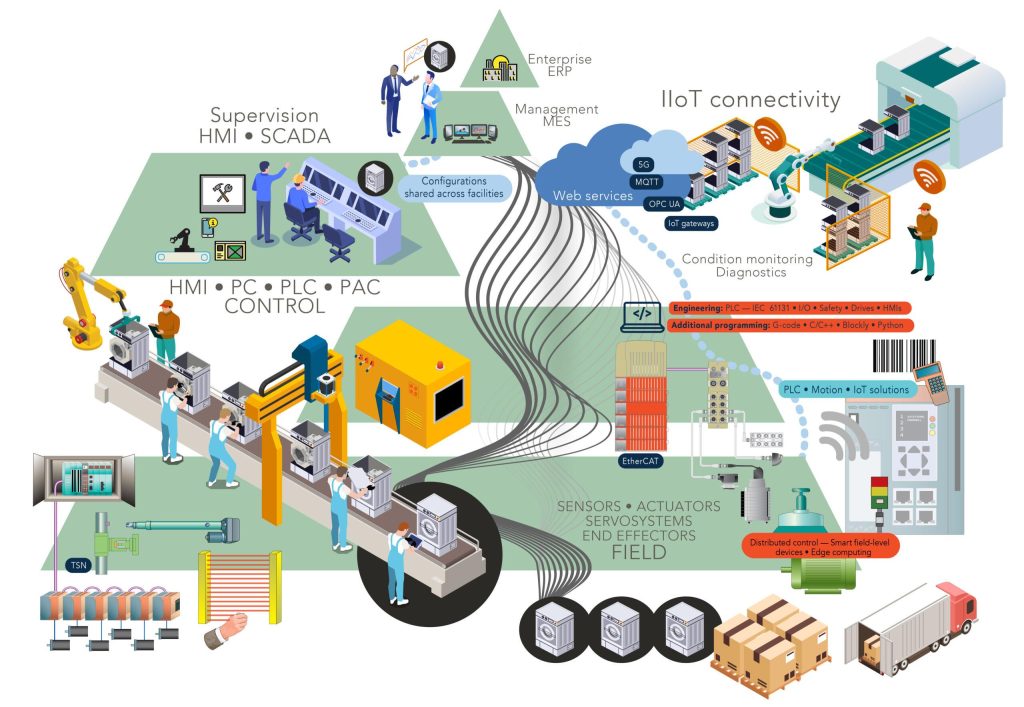
Control system integration is about connecting all those systems machines, software, sensors so they work as one unit instead of separate pieces.
When it’s done right:
- Data flows in real time
- Teams don’t waste time switching systems
- Issues are spotted earlier
- Decisions become faster and more accurate
It’s less about adding new tech and more about making existing tech work better together.
The Building Blocks Behind the Scenes
Most integrated systems rely on a few core components:
PLCs (Programmable Logic Controllers)
These handle real-time control of machines.
SCADA Systems
They monitor everything and give operators a clear overview.
HMI Dashboards
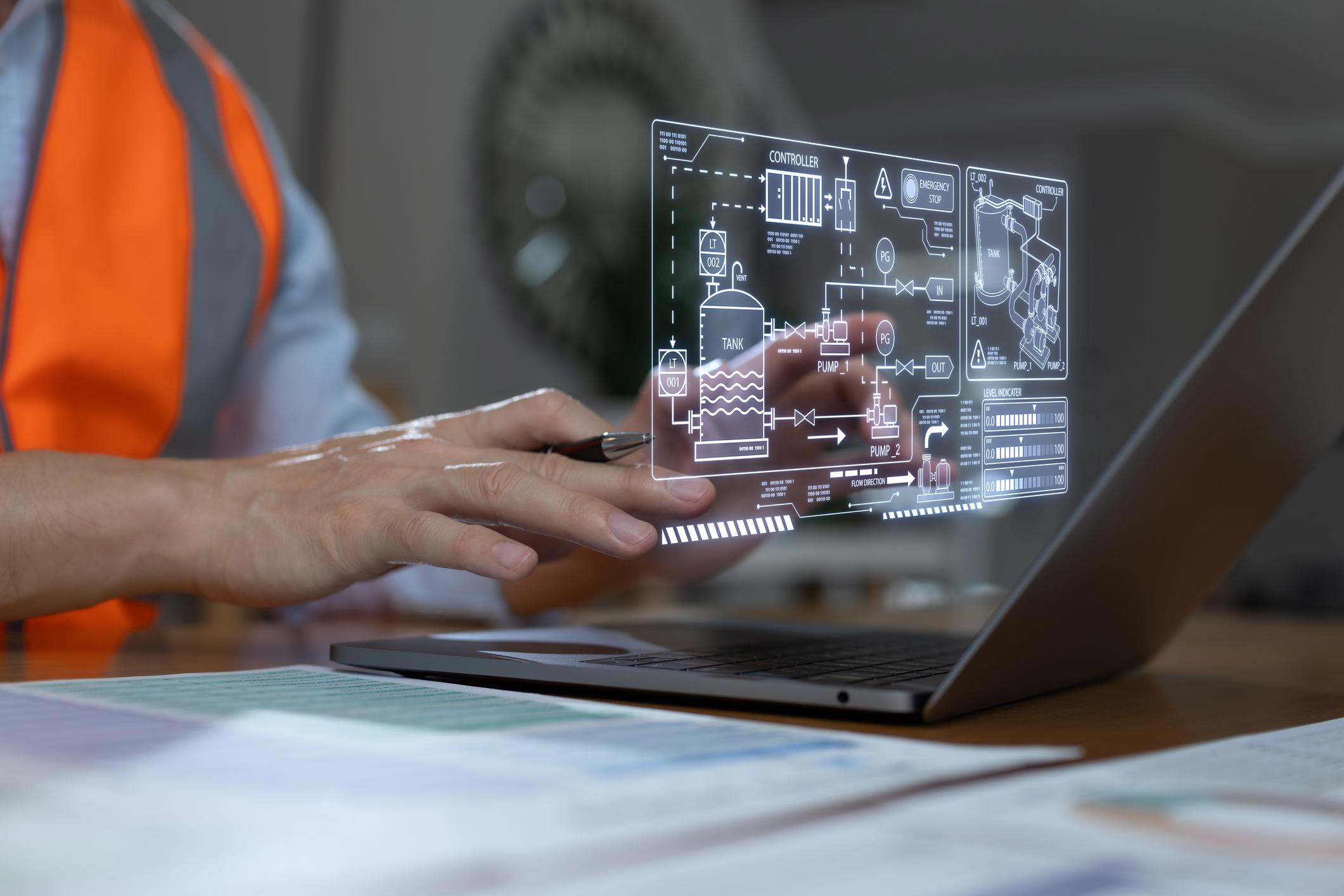
This is where humans interact with the system simple screens, controls, alerts.
Sensors & Devices
They collect the data that drives everything.
You don’t need to memorize these but understanding them helps when planning upgrades.
Where Businesses See the Biggest Gains
Let’s keep this practical.
Faster Operations
When systems are connected, delays disappear. Tasks move automatically from one stage to another.
Fewer Errors
No more working off outdated files or wrong inputs everything stays aligned.
Better Safety
Machines can detect risks faster than humans and respond instantly.
Lower Long-Term Costs
Automation isn’t cheap upfront, but it cuts ongoing costs significantly.
Clear Visibility
Managers finally see what’s happening across the entire operation—not just parts of it.
Dealing With Old Systems (Without Breaking Everything)
One of the biggest concerns businesses have is:
“Do we need to replace everything?”
Usually, no.
Most modern integrations focus on:
- Keeping what still works
- Upgrading what doesn’t
- Connecting both smoothly
This approach saves time, reduces risk, and avoids unnecessary downtime.
Where Automation Makes the Most Impact
Different industries use automation differently, but the goals are similar.
Manufacturing
Speed, consistency, and reduced waste.
Food & Beverage
Strict quality control and compliance.
Life Sciences
Accuracy and traceability are critical.
Transportation
Better tracking and smoother operations.
Entertainment
Precise control over complex systems like lighting and staging.
Why the Right Integrator Matters
This is where many projects go wrong.
Automation tools are easy to buy but hard to implement properly.
A skilled integrator:
- Understands your workflow (not just the tech)
- Designs systems around real use cases
- Avoids unnecessary complexity
- Makes sure everything scales over time
That’s the difference between “we installed automation” and “automation actually improved our business.”
Common Mistakes to Avoid
A few things that tend to cause problems:
- Trying to automate everything at once
- Ignoring employee training
- Overcomplicating the system
- Not planning for future growth
Good integration is simple, clear, and scalable.
What’s Coming Next in Automation
Automation isn’t slowing down. If anything, it’s getting smarter.
Some trends worth watching:
- AI predicting machine failures
- IoT devices feeding real-time data
- Cloud-based systems for remote access
- Digital twins for testing changes before applying them
You don’t need all of this today but it’s where things are heading.
Final Thought
At the end of the day, automation isn’t about replacing people it’s about helping them work better.
With the right control system integration, businesses don’t just improve efficiency they gain clarity, control, and confidence in their operations.
And that’s what really makes the difference.