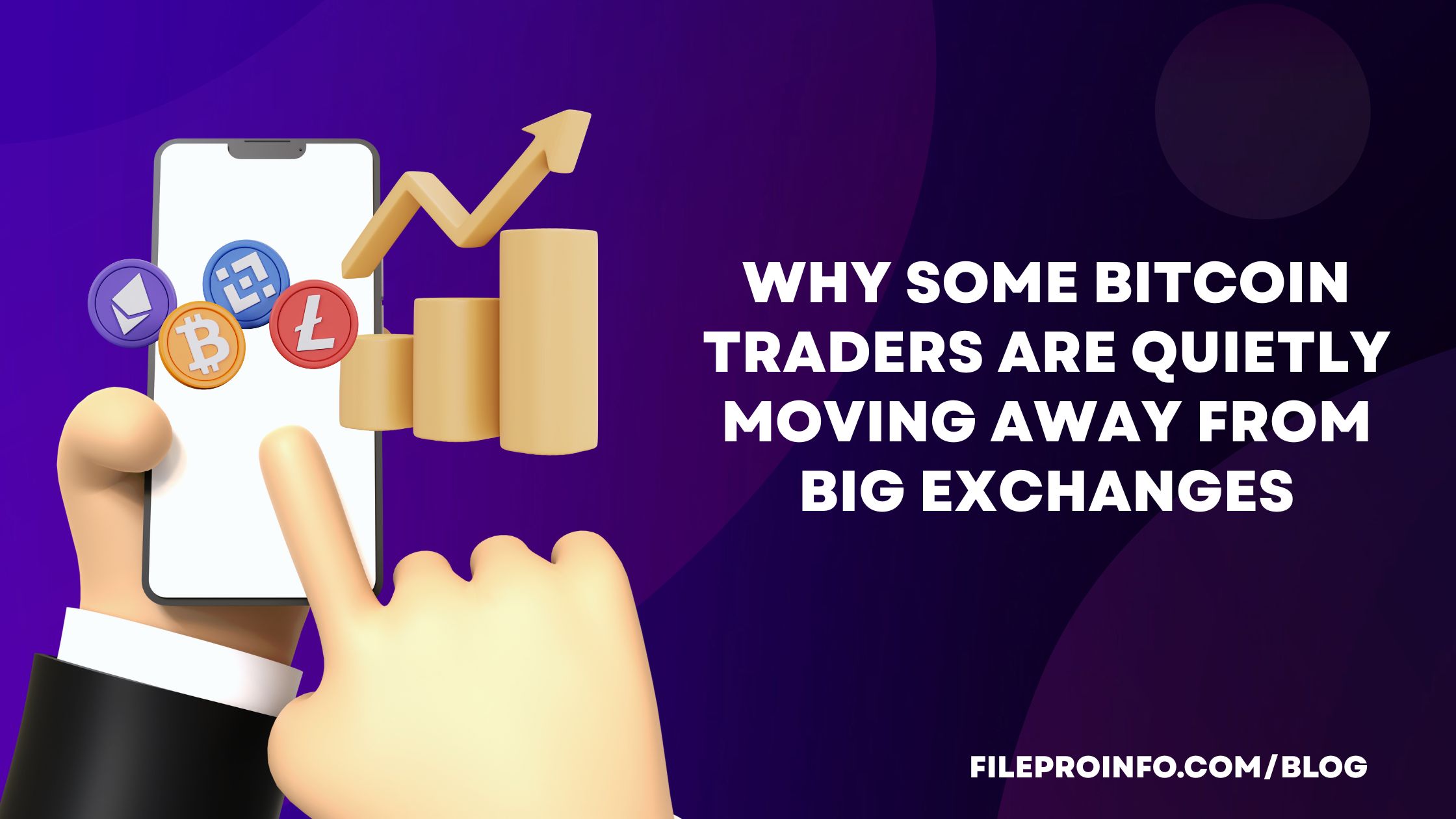
If you’ve been around Bitcoin for a while, you may have noticed something interesting. A lot of experienced users don’t talk much about where they trade anymore. Not because they’ve stopped trading but because they’ve stopped relying on the big platforms everyone knows.
This usually happens after a few small frustrations pile up. A delayed withdrawal. A temporary account restriction. A rule change that wasn’t there last month. None of these feel serious on their own, but together they make people rethink how much control they really have.
That’s where decentralized Bitcoin trading starts to make sense.
Bitcoin Was Never Meant to Feel Complicated
Bitcoin didn’t begin as a trading product. It started as a simple idea: value sent directly from one person to another. No bank approval. No central account. No third party holding the keys.
Over time, centralized exchanges became the default because they were easy. Log in, click buy, done. But that ease came with a trade-off that many users didn’t fully notice at first — someone else was now in charge of their funds.
For casual use, that might be fine. For people who actually care about ownership, it often isn’t.
The Moment People Start Looking for Alternatives
Most users don’t wake up one day and decide to abandon centralized exchanges. It’s usually a slow shift. Maybe they hear about an exchange freezing withdrawals. Maybe their account gets flagged for a routine transfer. Maybe they simply don’t like submitting personal documents for every platform they use.
At that point, curiosity kicks in. People start searching for ways to trade Bitcoin without giving up custody or control.
That’s when peer-to-peer and decentralized options enter the picture.
What Decentralized Bitcoin Trading Actually Feels Like
Decentralized Bitcoin trading doesn’t feel flashy. It’s more hands-on, a little slower, and very deliberate. You interact directly with another person, not a company. The software helps enforce fairness, but it doesn’t act as a middleman holding your money.
You stay in control of your wallet. You decide when funds move. There’s no account approval process or hidden policy change waiting in the background.
A well-known example is Bisq, an open-source desktop application built specifically for peer-to-peer Bitcoin trading on Windows and PC. It doesn’t require registration and doesn’t take custody of user funds. If someone wants to explore this approach.
For many users, the appeal isn’t speed, it’s peace of mind.
This Isn’t About Avoiding Rules
There’s a common misunderstanding that decentralized trading is about “escaping regulation” or cutting corners. In reality, most users who choose these tools just want fewer dependencies.
They don’t want to worry about account access during volatile markets.
They don’t want personal data stored on multiple platforms.
They don’t want a single point of failure controlling their assets.
Decentralization reduces those risks, even if it asks users to be more involved.
Responsibility Is the Real Trade-Off
Decentralized tools don’t protect users from mistakes. There’s no reset button if private keys are lost. That responsibility can feel intimidating, especially at first.
But many experienced Bitcoin users prefer that responsibility. They’d rather rely on open-source software and their own habits than on internal policies they can’t see.
It’s not for everyone. And it doesn’t need to be.
A Shift That’s Happening Quietly
Decentralized Bitcoin trading isn’t replacing centralized exchanges overnight. Most people use both, depending on the situation. What’s changing is awareness.
Users now know they have options. And once someone understands that they can trade Bitcoin without handing control to a third party, it’s hard to unsee that.
Bitcoin was built to offer choice. Decentralized platforms help keep that choice alive.
Closing Thought
Bitcoin trading doesn’t have to mean trusting a platform more than you trust yourself. Decentralized tools offer a slower, more intentional path — one that puts ownership back where it belongs.
For readers interested in Bitcoin beyond price charts and headlines, understanding how decentralized trading works is less about ideology and more about practicality. It’s simply another way to use Bitcoin as it was originally designed.
-
-

-

-

-

-
-

-
-

-