
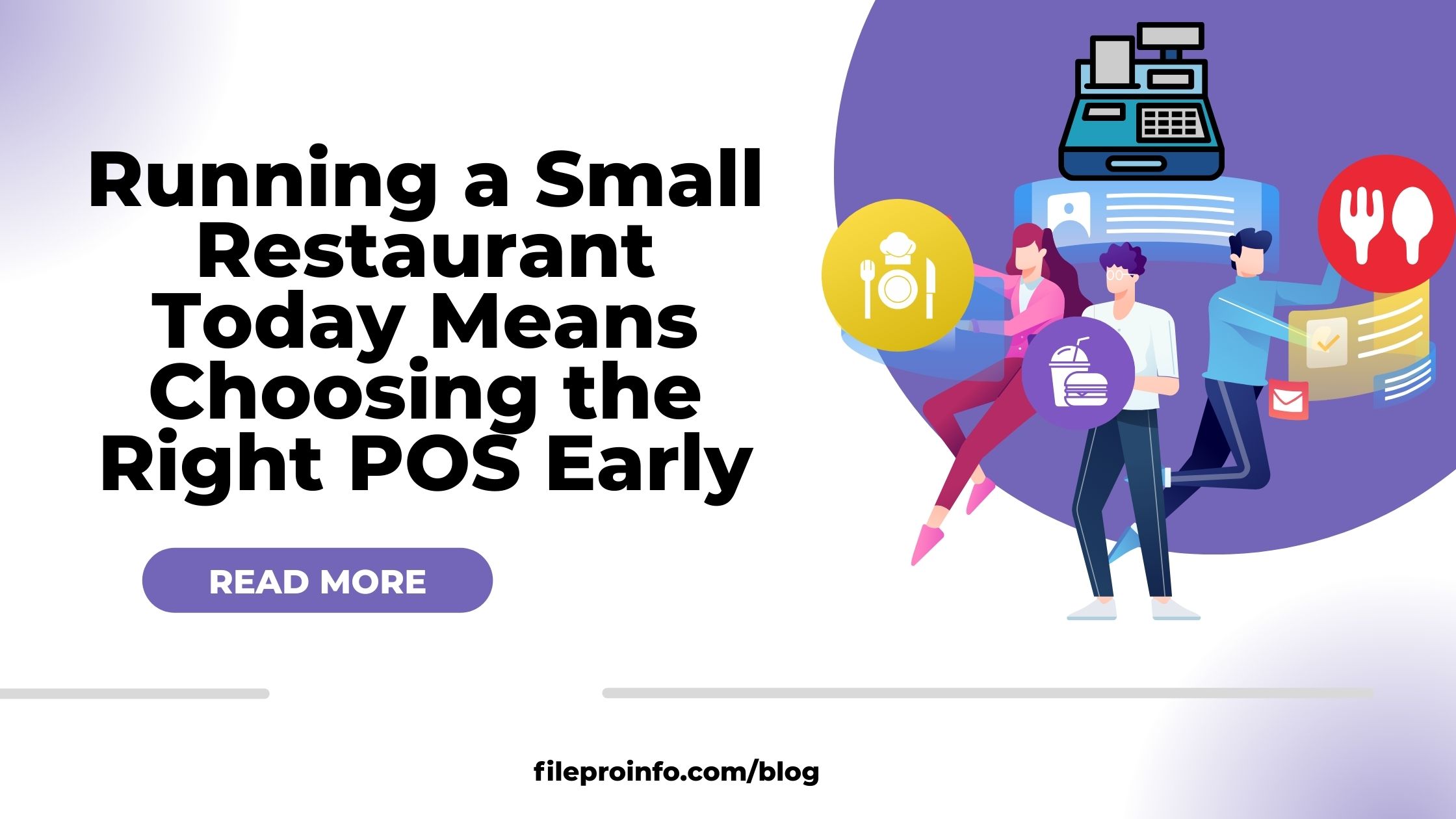
If you’ve ever stood behind a counter during a busy lunch rush, you already know how quickly things can fall apart. Orders stack up, someone enters the wrong item, a payment fails, and suddenly the whole flow of service slows down. For small restaurants, these moments are more than just stressful they cost money and customers.
This is where choosing one of the best restaurant POS systems becomes less of a technical decision and more of a survival one. A good POS system doesn’t just process payments. It keeps your kitchen organized, helps staff move faster, and gives owners a clearer picture of what’s actually happening day to day.
Why POS Systems Are Especially Important for Small Restaurants
Large restaurant chains can absorb mistakes. Small businesses usually can’t. When you’re working with a lean team and tight margins, efficiency matters more than fancy features.
A modern restaurant POS system helps small restaurants by:
- Reducing order mistakes between front and kitchen staff
- Speeding up checkout during peak hours
- Keeping track of best-selling and slow-moving items
- Making end-of-day reporting less painful
Instead of juggling handwritten tickets, calculators, and spreadsheets, everything flows through one system.
What Makes a POS System “Right” for a Small Business
Not all POS systems are built with small restaurants in mind. Some are overloaded with tools designed for franchises and large dining groups. For a small operation, simplicity usually wins.
Easy for Staff to Learn
If new staff need hours of training just to take orders, that’s a problem. The best POS systems feel natural to use, even for someone who’s never worked in a restaurant before.
Reliable When It’s Busy
A POS that slows down or crashes during rush hour does more harm than good. Stability and speed matter more than flashy dashboards.
Clear Pricing
Small restaurant owners want to know exactly what they’re paying each month. Transparent pricing and flexible plans make budgeting easier and prevent surprises later.
Useful Reports
You don’t need complex analytics. You need clear answers to simple questions:
What sold best today?
Which hours were slow?
Which items aren’t worth keeping on the menu?
Good POS systems answer these questions without extra effort.
How a Good POS System Changes Daily Operations
Once a POS system is properly set up, the difference shows quickly.
Orders move faster from counter to kitchen. Staff spend less time fixing mistakes. Managers stop guessing and start using real numbers. Over time, this leads to smoother shifts, happier employees, and more consistent service for customers.
For many small restaurants, the POS system quietly becomes the central tool that keeps everything connected.
Matching the POS to Your Restaurant Type
Every restaurant runs differently, and the best system is the one that fits your workflow.
- Cafés often need fast ordering and flexible menu options
- Quick-service restaurants prioritize speed and simple checkout
- Casual dining spots need table tracking and split billing
- Food trucks benefit from portable setups that work anywhere
Understanding how your restaurant operates helps narrow down which POS features actually matter.
Common Mistakes Small Restaurant Owners Make
One of the biggest mistakes is choosing a POS system just because it’s cheap or popular. Another is picking something too complicated and hoping staff will “figure it out.”
The best approach is to focus on daily reality: how orders are taken, how payments are handled, and how reports are used. A POS system should support these tasks, not complicate them.
Why Researching POS Options Is Worth the Time
Switching POS systems later is expensive and disruptive. That’s why it pays to research early and learn from comparisons focused on best restaurant POS systems for small businesses.
A well-chosen system grows with your restaurant, adapts to changing needs, and quietly supports your team every day.
Final Thoughts
For small restaurants, the right POS system isn’t about technology trends. It’s about smoother service, fewer mistakes, and better control over the business. When chosen carefully, a POS system becomes a dependable partner rather than another thing to manage.
Taking the time to understand your needs and explore reliable options can save months of frustration and set your restaurant up for long-term success.
-
-

-

-

-

-

-
-
-

-

