For many years, contracts were one of the slowest parts of doing business. Documents were printed, scanned, emailed back and forth, and stored in folders that only a few people understood. Even small changes could create confusion about versions or approvals. As businesses became more digital, this approach stopped making sense.
Today, more organizations are turning to online contract platforms to handle agreements in a simpler, more reliable way. These tools allow teams to create, send, sign, and manage contracts entirely online, reducing delays and improving visibility across the entire process.
If you are exploring how to create and manage an online contract, this guide provides a clear explanation of the process and its advantages
Below is a guest-style, experience-based overview of online contract platforms, followed by a look at five well-known companies in this space, starting with GetAccept.
What Are Online Contract Platforms?
Online contract platforms are cloud-based systems designed to manage contracts from start to finish. Instead of handling agreements through disconnected tools and emails, everything is centralized in one secure environment.
Most platforms support:
- Creating contracts from templates or custom drafts
- Internal review and approval before sending
- Secure online delivery to clients or partners
- Legally valid electronic signatures
- Status tracking and activity history
- Organized storage with search and filtering
The real benefit is not just speed, but structure. Everyone involved knows where a contract stands and what action is needed next.

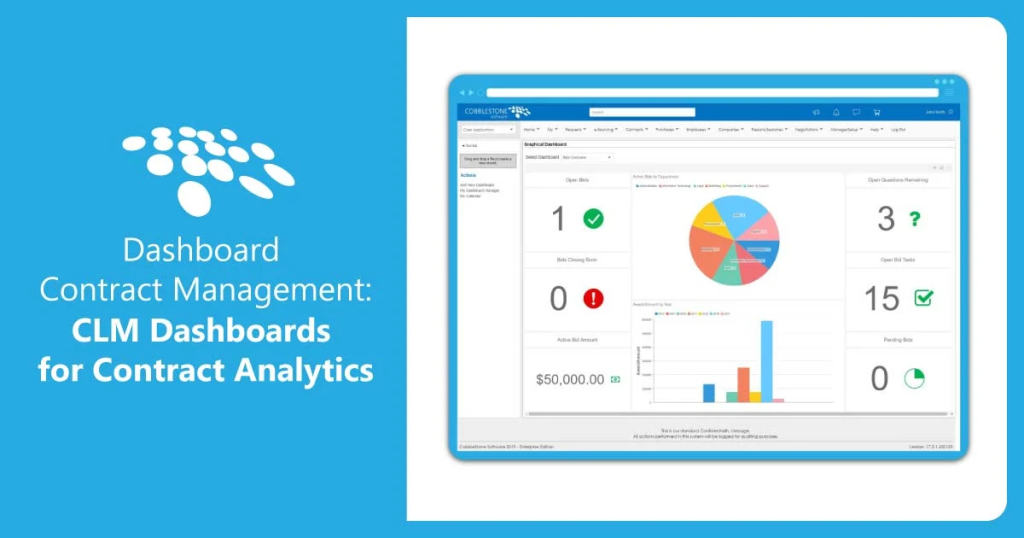
Why More Businesses Are Moving Away from Manual Contracts
The move to online contracts is often driven by practical concerns rather than trends.
First, time matters. When contracts take too long to finalize, deals slow down and opportunities are lost. Digital signing and automated workflows remove unnecessary waiting.
Second, clarity matters. Manual processes make it easy to lose track of versions, approvals, or deadlines. Online platforms reduce that risk by keeping everything in one place.
Finally, accountability matters. With digital records, audit trails, and activity logs, teams can easily see who did what and when, which is especially important for compliance and internal reporting.
1. GetAccept — Contracts Built Around Real Conversations
GetAccept approaches contracts from a slightly different angle. Instead of treating them as static legal documents, the platform is designed to support communication and decision-making throughout the deal process.

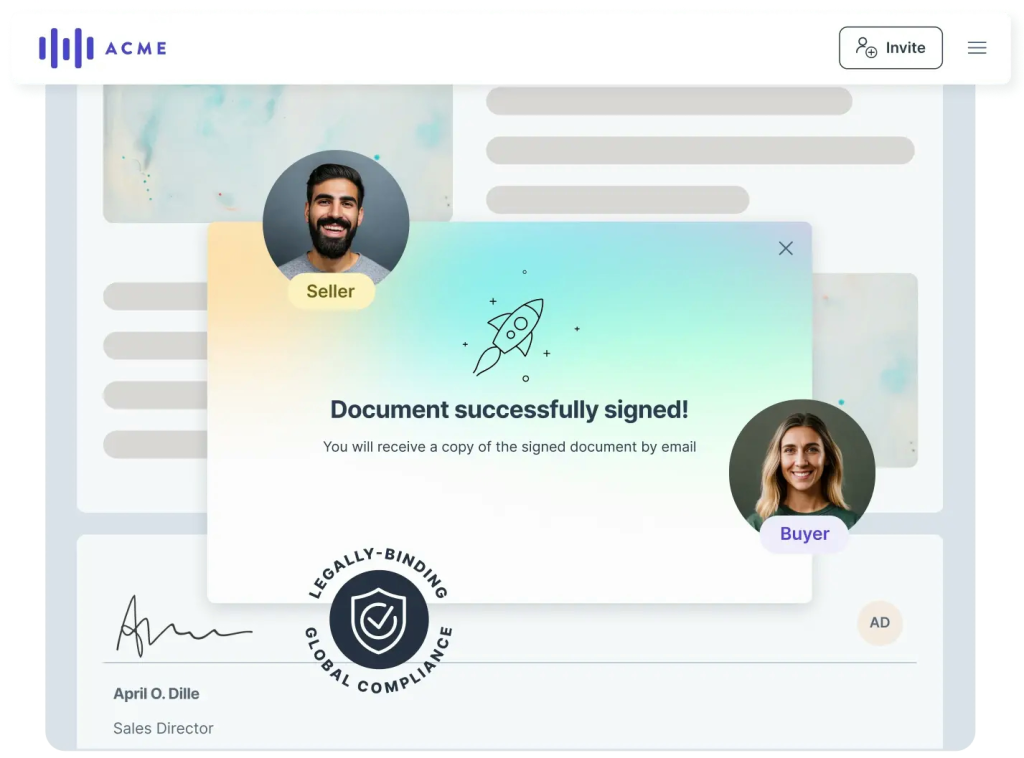
Key Capabilities
Contract Creation and Templates
GetAccept allows teams to create contracts using flexible templates that can be adapted for different clients or use cases. This keeps documents consistent while saving time.
Electronic Signatures
Recipients can review and sign contracts securely from any device. The signing experience is straightforward, which reduces friction during the final stages of a deal.
Document Tracking and Insights
One of the platform’s strongest features is visibility. Users can see when a contract is opened, how much time is spent reviewing it, and when it is signed. This insight helps teams follow up at the right moment rather than guessing.
Engagement Features
Contracts can include explanations, personalized messages, or supporting content. This can be especially useful when agreements are complex or involve multiple stakeholders.
Automation and Integrations
Approval flows, reminders, and CRM integrations help reduce manual work and keep contract activity aligned with broader business processes.
Why It Appeals to Sales and Revenue Teams
GetAccept fits well in environments where contracts are closely tied to active conversations. It helps teams understand how recipients interact with documents, which often leads to better timing, clearer communication, and faster decisions.
Learn about personal data protection.
2. PandaDoc — Simple Document Workflows
PandaDoc is often chosen by teams that want a clean, easy-to-use platform for creating proposals and contracts. It focuses on flexibility and speed without requiring heavy setup.
Commonly used features include:
- Visual document builder
- Reusable templates
- Electronic signatures
- Document status tracking
For growing teams that handle a steady flow of client-facing documents, PandaDoc offers a balance between functionality and simplicity.
3. DocuSign — A Familiar Standard for Digital Signing
DocuSign is one of the most established names in digital signatures. Many organizations adopt it specifically for secure, legally compliant signing and later expand into broader contract management.
It is widely known for:
- Strong security and compliance standards
- Reliability at scale
- Broad integration support
- Consistent signing experience
For companies that prioritize trust and global compliance, DocuSign remains a common choice.
4. Agiloft — Designed for Complex Workflows
Agiloft focuses on contract lifecycle management rather than just signing. It is often used by legal, procurement, and compliance teams that need detailed control over how contracts move through different stages.
Key strengths include:
- Highly configurable workflows
- Automated approvals and renewals
- Detailed audit trails
- Advanced reporting and permissions
Agiloft is typically best suited for organizations with complex requirements and structured processes.
5. ContractWorks — Straightforward and Organized
ContractWorks takes a more focused approach, emphasizing secure storage and easy access to contracts without unnecessary complexity.
Its core features usually include:
- Centralized contract repository
- Search and tagging
- Alerts for renewals and key dates
- Secure electronic signatures
This makes it appealing to teams that want better organization and visibility without extensive customization.
Choosing the Right Platform for Your Needs
There is no single “best” online contract platform. The right choice depends on how contracts are used within your organization.
It helps to consider:
- Who creates and manages contracts daily
- Whether contracts are sales-driven or compliance-driven
- Integration needs with existing tools
- Ease of use for non-technical users
- Long-term scalability
Answering these questions early can prevent unnecessary complexity later.
Making Online Contract Platforms Work in Practice
Once a platform is in place, consistent usage is key. Teams that get the most value often:
- Standardize commonly used contracts
- Automate approvals and reminders
- Review engagement data regularly
- Keep permissions and access up to date
- Maintain an organized contract archive
These habits ensure that the platform supports real workflows rather than becoming just another tool.
Closing Thoughts
Online contract platforms have quietly become a core part of modern business operations. They reduce delays, improve clarity, and make collaboration easier across teams and locations.
Tools like GetAccept show how contracts can evolve from static paperwork into interactive, insight-driven assets that support better communication and faster outcomes. As businesses continue to operate in distributed and digital environments, having a reliable way to manage contracts online is no longer optional—it is simply part of working efficiently.
-

-
-
-

-
-
-

-

-

-